Tokyo seafood does not have to mean an expensive sushi counter. Choose Takamaru Sengyoten for a substantial fish-centered meal, Isomaru Suisan for a casual late-night option, and Kani Doraku for a crab-focused restaurant experience. The most important current exception is that Kani Doraku's Shinjuku main restaurant is closed for renovation; another branch is not merely a backup name but a different booking.
Takamaru Sengyoten: a fishmonger-style meal in Shinjuku
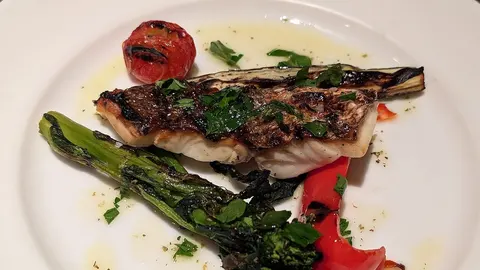
Takamaru combines seafood retail with prepared food and restaurant dining. Its official site lists the aka-don, a rice bowl with grilled salmon and salmon roe, at ¥1,500 including tax. Sashimi assortments are listed at market price rather than one permanent figure. [1]
That combination makes Takamaru a strong starting point when you want fish to be the substance of lunch rather than a sequence of small pieces. The published bowl price also gives you a useful budget anchor: it is a named dish with an explicit tax treatment, not an estimated spend copied from a restaurant directory.
Notice that grilled salmon and salmon roe are different components. Someone requesting an entirely cooked meal should not assume that a bowl described as "grilled salmon" contains nothing uncooked. Ask about every topping, or choose a straightforward cooked-fish set after discussing the preparation.
Takamaru has several locations, so keep the branch name with the menu. The official directory lists its main restaurant at 7-15-1 Nishi-Shinjuku and another nearby at 7-15-13. These are separate doors, not two versions of the same address. [1]
For a first visit, a rice bowl or set meal is easier to budget than assembling a dinner from market-priced sashimi and several extras. A larger group may prefer a shared platter, but ask what species and quantity the quoted price includes before treating it as equivalent to several individual meals.
The recommendation here is about format and published value, not a claim that the thickest slice of fish is automatically the best. Choose Takamaru when appetite, seafood variety and a relatively straightforward order matter more than ceremony.
Isomaru Suisan: useful late, with a surcharge to understand
Isomaru is a casual seafood chain rather than a single destination restaurant. Its Nishi-Shinjuku 7-chome branch is at 7-9-16 Nishi-Shinjuku, and the operator lists opening hours of 11am to 5am daily. That is late-night service, not round-the-clock service. [2]
This distinction is useful after a concert or an evening out. You can consider it when a conventional dinner booking would be impractical, but should not arrive at breakfast time expecting every Isomaru branch to follow an identical schedule.
The chain's menu conditions state that visits during the 10pm–5am period attract a 10% late-night charge. Menus and prices can also differ between locations. [3]
For a simple illustration, a ¥4,000 bill subject to a 10% surcharge becomes ¥4,400. That calculation is not a meal package and does not include anything not already in the assumed ¥4,000 base. Its purpose is to show why comparing an early dinner with an after-midnight visit requires more than looking at the same menu.
Use Isomaru for flexibility: a casual seafood meal after other plans, rather than an occasion that depends on a quiet room or elaborate service. Before ordering several dishes, establish whether you want a full dinner or simply a couple of items with drinks. Otherwise, a succession of modest additions can cost more than the meal you had originally intended.
Keep the exact branch page on your phone. The opening hours of a nearby location, a delivery listing or another neighborhood's restaurant should not be used to plan your last meal of the night.
Kani Doraku: choose a working branch, not an old photograph
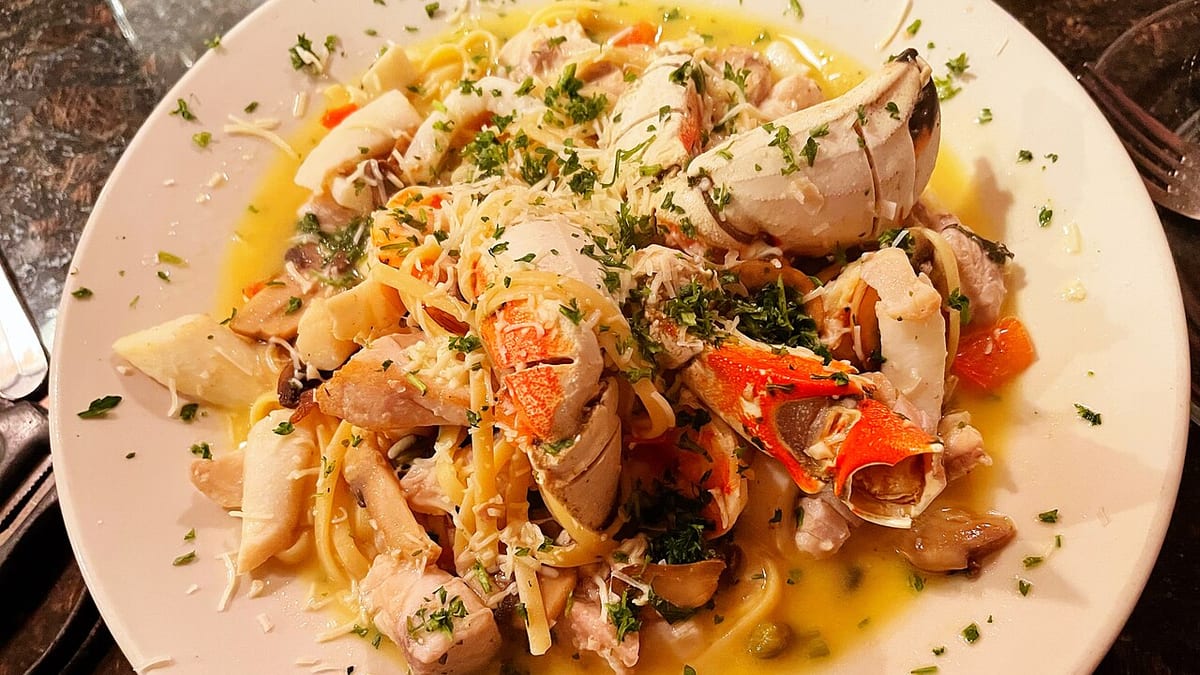
Kani Doraku is the specialist option for travelers who want crab to define the meal. However, its official notice says the Shinjuku main restaurant is closed for interior refurbishment. It aims for a mid-November reopening, while explaining that the opening date remains uncertain; reservations are being accepted from 24 November. Those are not the same as a confirmed reopening date. [4]
For an October or early-November visit, do not build a dinner around the Shinjuku main branch simply because a guide includes its familiar storefront. Choose another operating branch and make a reservation for that address.
The official directory lists the Ginza 8-chome restaurant at Ginza Nine Building 2, second floor, 8-7 Ginza, with service from 11:30am to 10pm and last orders at 9:30pm. [5]
A crab specialist is most worthwhile when everyone is enthusiastic about the main ingredient. Before selecting a multi-course meal, look at how the crab appears across the sequence: several preparations can be enjoyable, but the restaurant's specialization is not necessarily ideal for someone who only wants one small taste.
Ask which dishes involve shell removal at the table and which arrive ready to eat. This is particularly useful for diners with limited hand mobility, children, or anyone dressing for another event afterward. Convenience is a legitimate part of choosing a crab meal, not an admission that you are ordering incorrectly.
Use the menu and booking conditions for the branch you will actually visit. A course photographed at Shinjuku is not proof of the current Ginza price, and a seasonal crab offering may not be available indefinitely.
Pick the meal format before the neighborhood
For a solo lunch, a priced bowl or set meal is generally the clearest decision: you can see what you are buying without negotiating the size of a shared platter. Takamaru is the strongest fit among these options.
For a late, informal dinner, Isomaru's verified branch hours are more valuable than a generic list of famous restaurants. Include the surcharge in your budget and make transport home a separate decision rather than assuming a late kitchen means late trains.
For a planned celebration centered on crab, reserve an operating Kani Doraku branch and allow the meal to be the main event. Do not squeeze a multi-course booking between two inflexible appointments.
These choices deliberately go beyond sushi. They show three other ways to eat seafood in Tokyo: a substantial fish meal, a flexible seafood tavern and a specialist crab restaurant. The best choice is the one whose order, timing and level of ceremony match the evening you actually want.
Source and editor notes
Operator sources support prices, branches and hours. Kani Doraku's notice is displayed under another branch but explicitly concerns Shinjuku Honten; its reopening remains unconfirmed. Recommendations concern dining formats, not firsthand tasting. Surcharge arithmetic is labeled as an example.