Start a Tokyo food trip with one market visit, one noodle meal and one slower sit-down experience, rather than trying to eat every famous dish on the first day. Tsukiji, Tokyo Station's ramen restaurants and Tsukishima's monjayaki offer different introductions. Choose meals around the neighbourhoods you are already visiting, and reserve your biggest spending decision for the food you most want to understand. 1234
Begin with dishes that explain the city
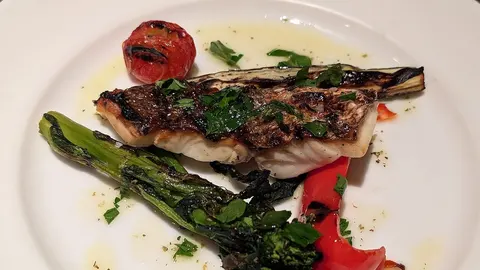
Tokyo's official tourism guide identifies Edomae sushi, soba, monjayaki and Fukagawa-meshi among the city's local foods. These make a more useful starting point than treating every Japanese dish as interchangeable. Edomae sushi connects the meal to the former Edo; soba offers a noodle alternative to ramen; and Fukagawa-meshi centres on clams and rice, with different preparations. 1
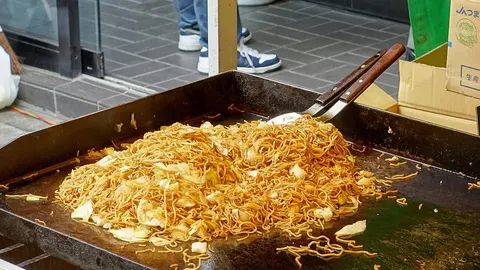
Monjayaki is especially useful for a shared meal. Its loose batter, cabbage and other ingredients cook on a hotplate, making the meal an activity rather than a quick succession of individual plates. Tsukishima is the area most closely associated with it in the tourism authority's guide. 1
For a first visit, my recommendation is to choose two of these traditions and leave room for something spontaneous. Someone fascinated by seafood might prioritise sushi and Fukagawa-meshi; a group wanting an informal evening together could build around monjayaki. Neither needs to turn the entire trip into a list of compulsory dishes.
Visit Tsukiji for food shopping and eating, not a tuna auction
Tsukiji's Outer Market remains a food destination, but the wholesale market and tuna auction moved to Toyosu in October 2018. A morning in Tsukiji and a visit to the wholesale market at Toyosu are different outings, not alternative names for the same experience. 2
There is also a useful correction to the advice to arrive at Tsukiji as early as possible. The market's own visitor guidance gives professional buyers priority before 09:00. For a leisure visit, I would therefore start after that point rather than treating the earliest possible arrival as automatically the most considerate or rewarding choice. This is a planning recommendation, not a promise of shorter queues. 5
Go with one main meal in mind and a little appetite left for a small extra purchase. That makes it easier to judge a tempting snack against what you actually want to eat, instead of becoming full before reaching the restaurant you came for.
Eat inside the shop or in an appropriate designated space rather than walking while eating. The market also asks visitors to avoid bulky luggage, obtain permission for photographs and refrain from touching products. Those instructions matter because this is a working commercial area, not a pedestrian food festival assembled solely for tourists. 5
A good market visit can be modest: a meal, a browse of ingredients or utensils, and perhaps one purchase to take away. It does not need to include an expensive multi-stop tasting route to feel complete.
Use Tokyo Ramen Street to compare styles
Tokyo Ramen Street gives visitors a concentrated way to choose between noodle styles. Its operator lists Rokurinsha for tsukemen, where noodles are dipped into a separate rich soup, and Soranoiro NIPPON among the options for shoyu, shio and vegetable-focused bowls. Soranoiro's listing also identifies vegan and gluten-free menu options. 3
Choose the format before the queue. Tsukemen suits someone who wants to alternate noodles and concentrated dipping broth; a conventional soup bowl suits a different mood. A long line is information about demand, not proof that the restaurant fits your preferences better than its neighbours.
A dietary requirement should be part of that decision, not an afterthought once everyone else has ordered. Ask about the exact dish and preparation. The presence of a vegan or gluten-free option does not establish that every item on the menu, or every preparation arrangement, meets the same requirement.
For a mixed group, agreeing on one place may be easier than insisting that everyone selects a different famous bowl. For a solo traveller, ramen makes a useful meal to keep flexible rather than committing every lunch to advance arrangements.
I would pair this stop with an existing Tokyo Station journey. Travelling across the city specifically to add one more noodle restaurant can make sense for an enthusiast, but it is not a requirement for a good first food trip.
Make monjayaki a shared evening in Tsukishima
Monkichi provides a concrete starting point for ordering. Its English menu lists the Monkichi Special at JPY 1,500 and a spicy cod roe, rice cake and cheese version at JPY 1,700. The special includes several ingredients, including seafood and pork; it should not be mistaken for a simple vegetarian cabbage dish. These are published menu prices checked for this guide, not guaranteed future quotations. 4
Two such dishes total JPY 3,200 before any additional orders. That arithmetic is useful for planning, but it is not a claim that the quantity will satisfy every pair of diners. Ask about portion sizes and order progressively rather than treating a price calculation as a fixed meal package.
The contrasting choices are more useful than ordering several nearly identical combinations. A group can experience how the dish changes without making the table feel like a tasting challenge. Ask the staff how they want you to handle the cooking and utensils rather than assuming every restaurant uses the same service approach.
Keep the rest of the evening light. Monjayaki makes more sense as the main event than as a rushed snack between two other dinner reservations. Choosing a meal that rewards sitting together is also a way to balance the quick meals elsewhere in the itinerary.
Choose a deliberate splurge instead of upgrading every meal
A fixed lunch menu can make a more expensive meal easier to assess. Asakusa Imahan's Kirakutei publishes a toban sukiyaki lunch set at JPY 4,620 including tax, within its listed 11:00–16:00 lunch period. Despite the company name, this Kirakutei restaurant is in Shinjuku, not Asakusa. Save the branch address rather than navigating by the brand alone. 6
That distinction changes the itinerary: it belongs with a western Tokyo day, not automatically with Senso-ji. The published set also gives you a defined purchase to compare with another lunch rather than an open-ended assumption about what a "sukiyaki restaurant" will cost.
Do not compare the lunch and dinner prices as though they necessarily buy identical meals. Read the included dishes, and decide whether the additional courses are something you actually want. A smaller, clearly priced lunch can be the better introduction; a longer dinner may suit a celebration.
For a different kind of food exploration, Nihombashi Mitsukoshi's basement food departments offer prepared foods, sweets and other purchases without requiring another full restaurant meal. The store lists food areas in the main building's basement and in the annex. Treat those as food-retail departments, not a promise of plentiful restaurant seating beside every counter. 7
Leave room for appetite, not just reservations
A workable first food day might be Tsukiji after 09:00, a light afternoon purchase and a seated dinner. Another could be a Tokyo Station noodle lunch followed by a deliberately chosen sukiyaki meal on a different day. These are editorial combinations, not claims about how long a typical traveller must spend eating.
Avoid scheduling a heavy market breakfast, substantial noodle lunch, multiple tasting stops and a formal dinner simply because each appears on a recommendation list. You will make better comparisons when you are hungry enough to enjoy the food.
Finally, write down the Japanese and English names of any dietary restriction or ingredient you need to discuss, and confirm the actual order with staff. Choose a restaurant because it can answer your question, not because a photograph looks suitable. The most useful Tokyo food plan leaves you with a few memorable meals and enough flexibility to enjoy the neighbourhood around them.