
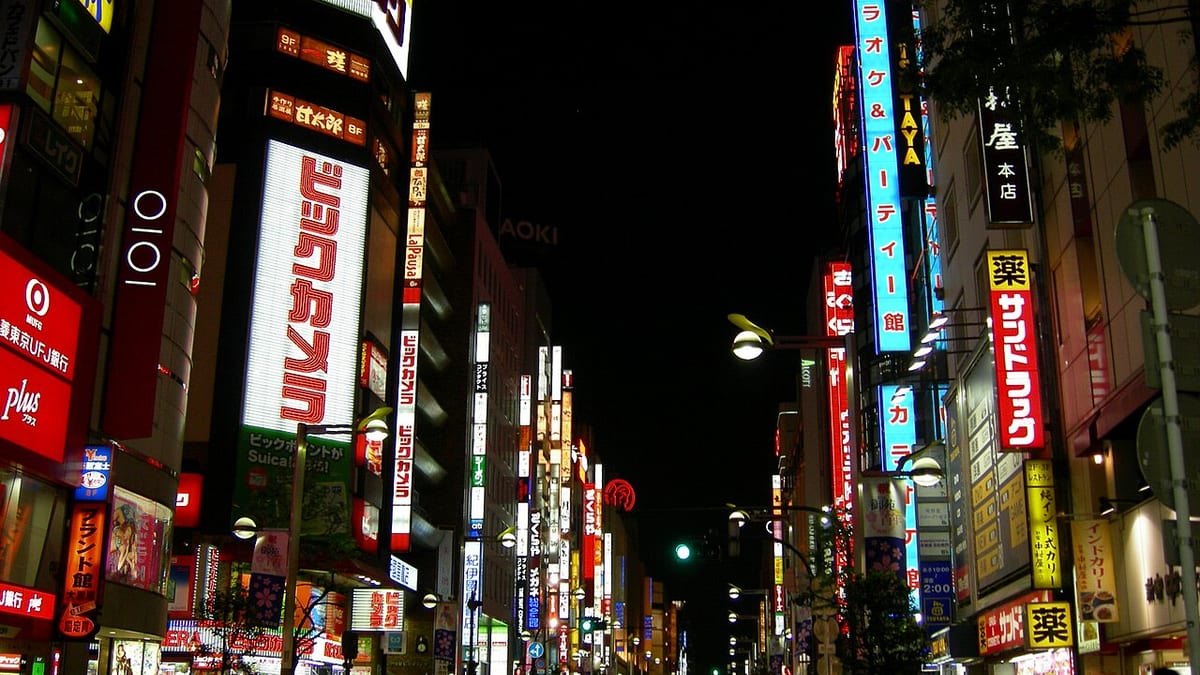
Tokyo street festivals are easiest to enjoy when you choose the kind of event you want before choosing a neighbourhood. A shrine procession, a dance route and a seasonal market have different rhythms. Pick one main event, identify its actual operating dates and plan a nearby meal or retreat rather than trying to cross the city between festivals.
For late 2026 travel, one particularly useful distinction is that Asakusa's Tori-no-Ichi falls on 7 and 19 November. It is not a festival running continuously from the seventh to the nineteenth, even when an events calendar displays those dates as a range. 1
Choose a format, not just a famous name
A moving procession rewards patience in one suitable location. A dance event may offer several performance areas. A market is easier to browse at your own speed, although its entrances and most popular stalls can still concentrate visitors. None of those formats automatically means a quiet outing.
Think about what would make the experience worthwhile for your group. Someone interested in ritual may prefer watching a shrine procession without buying anything. A family needing regular breaks may value an event close to its hotel more than the largest festival in the city. A photographer may prefer returning to one route instead of rushing between unrelated venues.
Choose the appropriate planning unit. For a procession, it is the route section and approximate viewing period. For a dance festival, it is the performance area and session. For a market, it is the actual date, entrance and time you want to spend browsing.
Spring: Sanja Matsuri and the Kanda distinction
Sanja Matsuri takes over Asakusa through processions associated with Asakusa Shrine. The latest indexed shrine notice gives 14–16 May 2027, while cached pages still show the 2026 edition. Use the Reiwa 9 programme for 2027 rather than copying last year's passing times. 2
For a visitor, the practical choice is between the opening-day ceremonies, the neighbourhood mikoshi and the main shrine processions. Choose one emphasis. A detailed study of every route is unnecessary if your aim is simply to understand and enjoy part of the festival.
Kanda Matsuri requires a different calendar check. The official All Japan and Tokyo tourism listing explains that the large main festival is held every other year, with the next main edition in 2027 after the quieter 2026 cycle. "Annual festival" descriptions should not be read as a promise of the same large procession every May. 3
That difference matters when choosing flights. Someone travelling specifically for Kanda's major spectacle should verify the main-festival programme, not merely a shrine's annual ceremonial date. Do not combine an unconfirmed route from one event with a fixed reservation for another across town.
Summer: dancing in Koenji and samba in Asakusa
Koenji Awa-odori is a useful choice when music and coordinated dancing are the attraction. The organiser's 2026 edition took place on 29–30 August, using performance areas around Koenji and Shin-Koenji. Those dates are now past; they demonstrate the event's late-summer setting, not confirmed dates for 2027. 4
Approach it as a neighbourhood event with multiple viewing areas, rather than assuming the first crowd outside the station is the only place to watch. Once the new programme is available, choose a performance area with a workable arrival route and a nearby place to leave the crowd.
Asakusa Samba Carnival is a different event from Sanja Matsuri. Its organising committee describes a parade competition rooted in Asakusa's modern entertainment culture. GO TOKYO marks the 2026 edition as already completed. A video of costumes on an Asakusa street therefore does not establish which festival or season you are seeing. 56
For both events, carry only what you can comfortably keep close to your body. Decide whether you want to stand and watch or move between locations. Doing both repeatedly can make you spend the evening negotiating crowds rather than enjoying performances.
Autumn: Tori-no-Ichi is about the date and the shrine
At Asakusa's Otori Shrine, the published 2026 Tori-no-Ichi dates are Saturday 7 November and Thursday 19 November. The shrine describes each as a full twenty-four-hour observance. That does not guarantee that every surrounding food stall or individual business keeps identical hours. 1
This is a different outing from watching mikoshi in May. The event is associated with prayers for good fortune and the sale of decorated kumade rakes. The shrine's own explanations are a better guide to their meaning than treating them as ordinary bargain souvenirs. 7
Choose a time you can enjoy without making the last train your deadline. An early or daytime visit may suit someone who wants to browse with more flexibility; an evening visit prioritises the illuminated atmosphere. These are choices of experience, not a promise about comparative crowd numbers.
Other shrines also hold Tori-no-Ichi observances. Confirm the exact site before following navigation: "Tori-no-Ichi, Tokyo" is not a unique destination, and Asakusa's Otori Shrine is not the same place as Senso-ji's main entrance.
Turn the event listing into a usable outing
Read the organiser's current notice in addition to a citywide calendar. Look for the year, actual event days, cancellation conditions and whether a ticket is for entry, a seat or a separate performance. A free street event can have optional paid areas without becoming an entirely ticketed festival.
Match the station exit to the viewing area, not simply the event name. Save a second way to leave and avoid arranging a meeting directly at a gate or crossing. Give your group a specific fallback location outside the main flow.
Do not promise yourself a quiet restaurant table immediately after the headline performance. Make a reservation with enough flexibility to reach it, eat before viewing, or choose a meal away from the route. A convenience purchase can solve hunger, but it does not create a suitable place to stop in a moving crowd.
Weather should change the plan rather than merely the packing list. If a programme is reduced or stopped, choose an ordinary neighbourhood visit instead of waiting indefinitely for an unannounced restart. Save the organiser's update channel before departure.
Be a guest in the neighbourhood
A public festival is not permission to enter every space or join every activity. Follow attendants, leave residential entrances open and ask before participating in a carrying group. At dance events, distinguish an organised performance from an explicitly open participation session.
Buy from businesses you genuinely want to support, handle rubbish as directed and avoid blocking shops while reviewing photographs. Leave enough energy for the journey home. One well-chosen festival can explain a neighbourhood more clearly than a week of collecting event names without understanding what they celebrate.