Tokyo in June can be rewarding when you enjoy gardens, museums, food and neighbourhood exploration more than a rigid outdoor checklist. Expect rainy-season conditions and keep your daily order flexible. Choose a few indoor experiences you genuinely want, then use suitable weather for flowers and longer walks rather than treating rain as a reason to abandon the city. 1
What the weather figures do - and do not - tell you
The Japan Meteorological Agency's 1991–2020 Tokyo normals give June a 21.9°C mean temperature, an average daily high of 26.1°C, an average low of 18.5°C and 167.8 millimetres of monthly rain. Those are long-term averages, not a prediction of how many hours you can spend outside on a particular day. 2
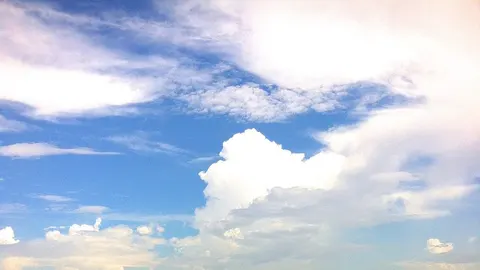
June is associated with the rainy season, but the phrase does not establish that every day will be a washout. Nor does it justify planning on a shower always arriving at one convenient hour. Use the forecast for individual outings and the seasonal pattern for the broader choice of clothing, bookings and accommodation. 1
There is also a source-quality trap. GO TOKYO's current June weather paragraph explicitly uses 2025 data, not a long-term climate average. A traveller comparing that paragraph with a climate table can encounter different temperatures without either source describing the same measurement. This guide keeps the 30-year normals separate from single-year observations. 12
Pack comfortable shoes, breathable layers, a compact umbrella and a way to keep essential electronics dry. An outfit that works indoors and outside is more useful than heavy rain equipment you dislike carrying. A second pair of dry socks can be practical without turning an urban holiday into an expedition.
Make flowers an outing, not a guarantee
Hydrangeas are one of June's defining seasonal attractions. Tokyo's tourism guide highlights Hakusan Shrine and Hakusan Park for the Bunkyo Hydrangea Festival, as well as Takahata Fudoson. It also points to iris-viewing locations including Horikiri Shobuen and Mizumoto Park. 1
Choose one area according to the rest of your itinerary instead of trying to visit every garden with a flower photograph. A nearby lunch and an indoor alternative make the excursion useful even when the weather or bloom stage is not ideal.
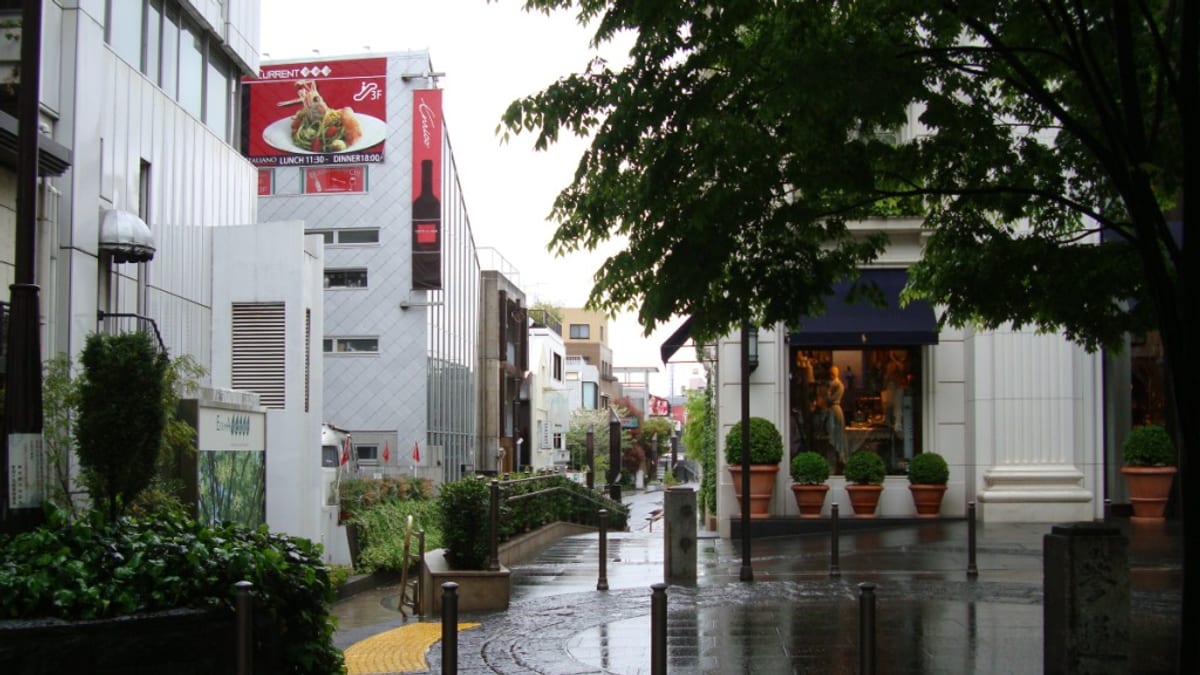
Light rain and heavy rain are different conditions for an outdoor visit. A garden can look attractive in damp weather while still becoming an uncomfortable place for a long walk with bags or a pushchair. Keep the route easy to shorten and follow any site restrictions rather than treating a seasonal photograph as evidence of suitable conditions.
Festival dates and flower peaks are also separate. An event can run while different parts of a garden are at different stages. This article does not claim confirmed June 2027 festival dates or a particular peak-bloom day. Use the organiser's dated programme for events and the garden's own current reports for conditions.
Give indoor activities equal status
Choose a museum, gallery or performance because its content appeals to you. That produces a much better rainy day than travelling between buildings solely because they have roofs. Decide which experience needs advance admission and which can remain a flexible option.
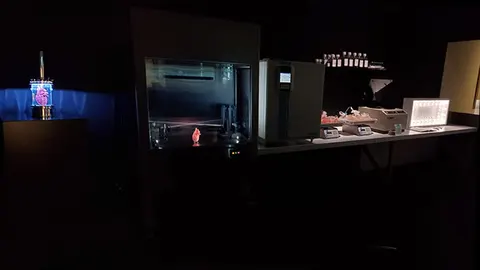
teamLab Borderless is one possibility for travellers who actively enjoy immersive visual art. Its Azabudai Hills location and dated ticket system make it a planned visit rather than an attraction you should assume will have spare admission whenever rain starts. Its dark and changing environments are also not suitable for every visitor's preferences. 3
An Asakusa day can be adjusted rather than cancelled. Sensō-ji's main hall opens from 06:00 to 17:00 in June, but the wider neighbourhood and its shops have different operating patterns. Choose a shorter temple visit and a comfortable meal when conditions do not suit a long outdoor wander. 45
The useful principle is to keep destinations geographically coherent. Swapping a nearby gallery and a walk is straightforward; switching between distant sides of Tokyo can consume much of the day in transit. Build alternatives around the area you are already visiting.
Events require the correct year and edition
As of this article's publication on 31 October 2026, the next June is June 2027. A festival listing for June 2026 is historical information, not an advance programme for that future month. This is especially important for event roundups that keep the same page address from year to year.
GO TOKYO's June page, for example, contains the 2026 dates for Short Shorts Film Festival & Asia. Those dates should not be copied into a 2027 travel plan. Use the festival's future programme when released, and distinguish screenings at different venues from a single event you can attend anywhere in the city. 1
Likewise, a visit to a shrine during a named festival period does not guarantee that its largest procession happens that year or on that day. Look for the specific activity you wish to see. A festival's annual existence and the schedule of its main public spectacle are not the same fact.
Japan's official 2027 national-holiday calendar contains no June national holiday. That removes one source of calendar confusion, but it does not promise that all attractions will be quiet or that individual businesses will open every day. Their weekly closing days still matter. 6
For sumo, the Japan Sumo Association's 2027 schedule places the Tokyo May tournament on 9–23 May and the July tournament in Nagoya. Do not buy a June Tokyo trip expecting a regular grand tournament at the Kokugikan simply because sumo appears in a general city guide. Other sumo-related experiences are different products. 7
Keep day trips and views flexible
A coastal or garden day trip is easier to enjoy when you can select the better weather day. Avoid attaching it to your only fixed departure window unless it is the central purpose of the holiday. A regional pass is good value only when you actually take the covered journeys.
For Enoshima, the physical route matters as much as the forecast. The operator states that the Escar escalators go up only, with stairs needed for the descent. Wet-weather planning should therefore consider the return walk, not simply the convenience of reaching the upper island. 8
Do not book an observation deck solely on the assumption of a distant mountain view. The city or coastal panorama can be worthwhile in its own right, but visibility is not included in the ticket price. Choose a booking whose value does not disappear with one cloud bank.
A practical booking strategy
Reserve the experiences that would genuinely disappoint you to miss, then leave ordinary walks and meals movable. A flexible hotel cancellation policy can also be useful while a future event programme remains uncertain; it is not proof that June is automatically cheaper than other months.
Keep some evenings local. A full day of walking, changing weather and rail transfers does not need to end with another cross-city journey simply to complete an itinerary. Returning to an area you enjoyed can be a better use of time than chasing a new neighbourhood every night.
June suits travellers who are willing to change the order of their plans without changing what they value about the trip. Give flowers, art and food proper attention, keep outdoor ambitions adjustable and judge the month by the experiences available - not by the misleading idea that rainy season means either constant rain or no real inconvenience at all.
Sources
- GO TOKYO - June visitor guide
- Japan Meteorological Agency - Tokyo 1991–2020 climate normals
- teamLab: Borderless Tokyo official tickets and visitor information
- Sensō-ji: main-hall visiting and service hours
- GO TOKYO: Asakusa neighbourhood
- Cabinet Office of Japan - national holidays for 2026 and 2027
- Japan Sumo Association - official tournament schedule
- Enoshima Sea Candle - facilities and Escar FAQs