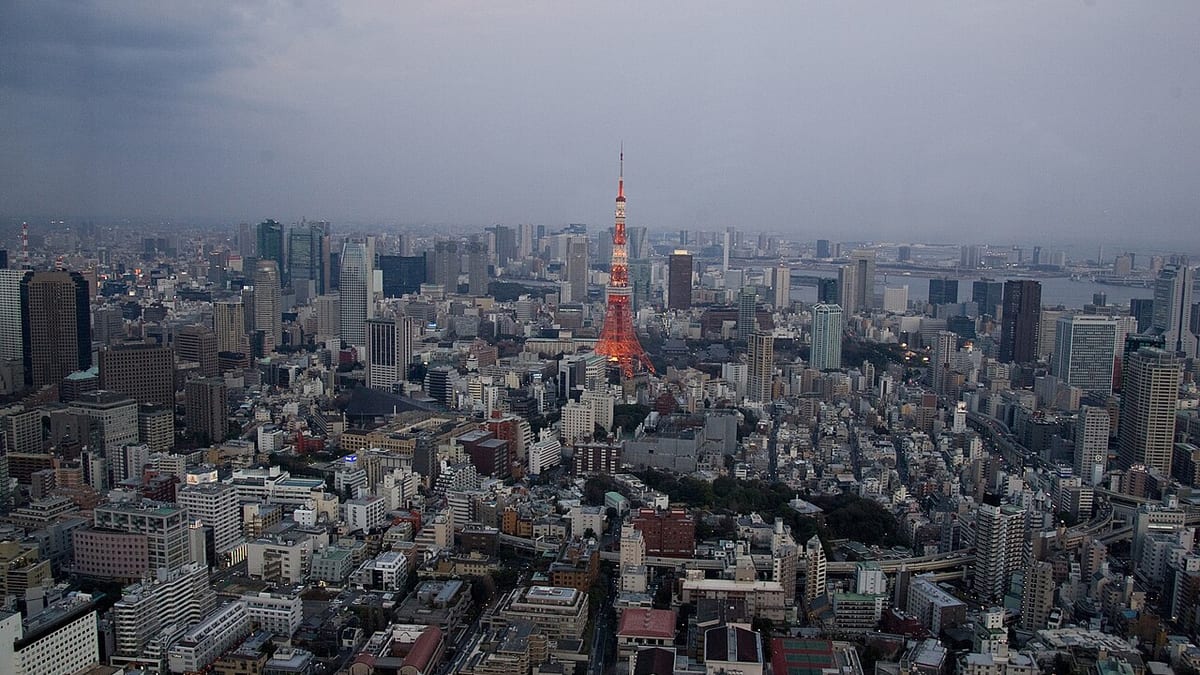
Roppongi Art Night returns to an all-night format on 31 October–1 November 2026, with its main programme running from 5pm to 6am. For most visitors, an evening route is more manageable than staying until dawn. Choose your performances first, distinguish free outdoor art from ticketed venues, and decide how you will get back before committing to late sessions. [1] [2]
One festival, several different opening windows
The festival takes place across Roppongi rather than inside a single venue. Officially listed locations include Roppongi Hills, Tokyo Midtown, the National Art Center, Tokyo, and participating museums and public spaces. The 2026 international focus is France, connecting the programme with the Nuit Blanche tradition. [1] [2]
The important distinction is between the overnight core programme and individual opening times. Arts Council Tokyo gives an installation window from 10am on Saturday 31 October until 10pm on Sunday 1 November, alongside the overnight core hours. That does not mean every work or performance operates continuously throughout the window. [2]
Read each chosen programme as a separate appointment. A static installation may allow flexibility; a performance at a fixed hour does not. A museum may participate without extending every shop, gallery or restaurant in its building.
This makes a daytime visit a legitimate option, particularly for families or travelers who need a full night's sleep. You can see scheduled installations and select a Sunday activity without treating the overnight event as an endurance test. The disadvantage is missing performances programmed only for Saturday night.
What is free, and what needs a ticket?
GO TOKYO describes the festival as free, with charges for some programmes and exhibitions. The correct reading is that you can enjoy public-facing festival art without buying a universal pass - not that every museum or observation deck becomes free. [3]
At Roppongi Hills, Mori Art Museum and Tokyo City View have announced overnight opening until 6am, with last admission at 5.30am. For entry between 10pm and 6am, their announcement directs visitors to the third-floor ticket counter and says online tickets will not be sold for that period. This is a specific exception to the usual instinct to buy everything online. [4]
Decide whether the museum exhibition, the skyline or the public performances are your priority. Buying an observation ticket because you are already in the building can consume both money and the time reserved for a performance elsewhere.
Do not use an ordinary daytime ticket as evidence of an overnight entitlement. Follow the selected venue's event instructions, and keep admission time, last entry and closing time separate. Arriving just before a building closes is not the same as arriving before its final admission.
The useful booking most visitors can overlook
The festival offers a free English guided tour, with three published sessions: 6–7.30pm and 10–11.30pm on 31 October, and 2–3.30pm on 1 November. Each meets at Louise Bourgeois's Maman, the large spider sculpture at Roppongi Hills. Places are limited to approximately 15 participants, with advance registration on a first-come basis. [5]
That is a stronger starting point for someone unfamiliar with contemporary art than trying to identify every work independently. It also gives solo visitors a shared activity without committing them to a commercial tour.
The organiser says the sessions cover broadly the same content. Book one, not several, and choose the time around your transport and other priorities. Registration information is not proof that a place remains available; rely on the booking response rather than the continued visibility of an application form.
For a relaxed evening, the 6pm tour is the sensible anchor. It leaves room to eat and see another work afterwards. The late tour suits adults deliberately planning a later night, while the Sunday session offers interpretation without an overnight itinerary.
How to choose a route you can actually enjoy
Start by selecting one performance or guided activity that would disappoint you to miss. Put it in your calendar with its exact location. Then choose two flexible stops nearby, rather than building a long zigzag between every major institution.
A practical first visit could begin with an afternoon installation, continue to the early English tour if booked, and finish with one scheduled performance. This is an editorial route structure, not a claim that those activities share a ticket or that admission is guaranteed.
For an art-focused visitor, reverse the emphasis: reserve meaningful time for the exhibition you most want to see, then add outdoor works around it. The attraction of the festival is not simply later opening. It is the relationship between the artworks and the surrounding district.
Leave a gap between timed events. Walking, finding the correct entrance and getting into a viewing position all take time. Two performances that look adjacent on a timetable may still be impractical together. If they overlap, choose deliberately instead of arriving late to both.
Keep a screenshot of your small route and the relevant programme pages. A complete festival map is useful for orientation; a short personal list is easier to use while moving.
Families and late-night restrictions
An all-night festival is not an all-ages invitation to every venue at every hour. Mori Art Museum and Tokyo City View state that under-18s cannot enter between 11pm and 4am, even with a parent or guardian. Their event announcement also says several associated shops, galleries and the museum restaurant will not extend their operating hours. [4]
For a family, choose afternoon and early-evening activities and plan to finish well before the restricted period. Do not build an overnight break around a restaurant merely because the museum upstairs stays open.
The guided-tour page also sets conditions for younger participants and late attendance. Read those rules before reserving for a mixed-age group. A booking made by an adult does not remove the conditions applying to a teenager. [5]
A shorter visit can be richer for children. Choose one work they can discuss and one activity with a clear beginning and end, instead of expecting them to remain engaged through hours of waiting and walking.
Getting there - and deciding when to leave
GO TOKYO lists Roppongi Station on the Hibiya and Toei Oedo lines, and Nogizaka Station on the Chiyoda line, as access points. Select the station according to your first or final venue, not simply the festival's name. [3]
Do not infer an all-night railway service from an all-night art event. Before leaving your accommodation, look up the final usable connection for your complete journey, including any transfer. Build your departure time around reaching the platform, not leaving the artwork at the last possible minute.
Staying until dawn should be a deliberate choice with a transport and rest plan, not the result of losing track of time. For an evening visit, an alarm and a clearly chosen final stop are often enough to protect the rest of your Tokyo trip.
The strongest itinerary is the one that matches your interests and energy. A free guided walk, a carefully chosen performance and a little unhurried exploration can deliver more than a sleepless checklist of venues.
Source and editor notes
Dates, guided tours and overnight admission conditions were checked against the organiser and participating venue. The distinctive finding is counter-only late admission, alongside age restrictions. Tour availability and special overnight prices were not established; no reservation or price is implied.