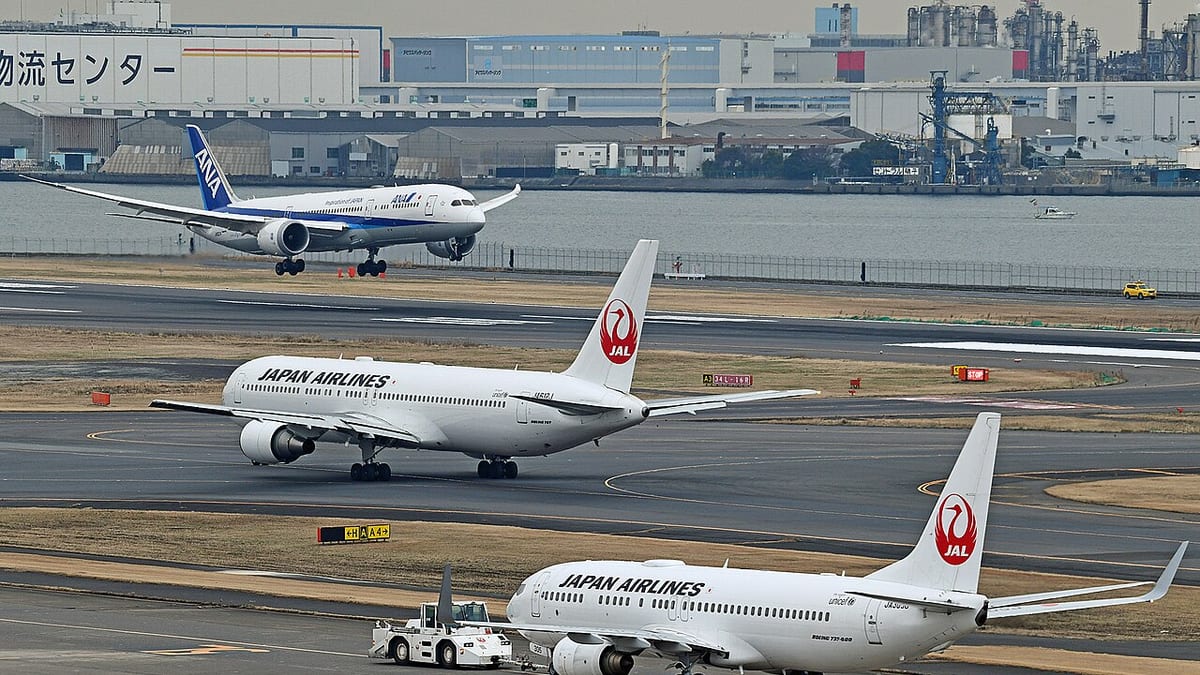
Haneda Airport immigration is easiest to approach with your passport, entry eligibility and Visit Japan Web information prepared before landing. The QR code helps submit information; it does not replace the immigration decision. Integrated kiosks can reduce duplicate steps, but they have conditions - including a height limit - so families should not assume everyone can follow the same automated route. [1][2]
For an onward connection, the decisive question is whether you remain on an international transfer or enter Japan for a domestic flight. The time you need depends on that route, the terminal, baggage arrangements and the airline's deadlines, not simply on how quickly someone else passed through passport control last week.
Entry permission comes before the QR code
Japan's Ministry of Foreign Affairs publishes visa-exemption arrangements by nationality and passport conditions. Some exemptions depend on an electronic passport or other document-specific requirements, and permitted stays are not identical for every nationality. Consult the entry rules for your passport rather than assuming that all short tourist trips receive the same permission. [3]
Where a visa is required, MOFA says it must be obtained in advance through the relevant Japanese diplomatic mission; it is not something to buy on arrival at Haneda. A visa is also not a guarantee of admission, because landing permission remains an immigration decision. [4]
Prepare the address of your first accommodation and details of the trip you are actually making. The aim is not to memorise a script, but to be able to answer ordinary questions accurately without searching through disconnected booking emails. Keep your passport and required documents in your cabin baggage, not a checked suitcase.
Do not import another country's passport-validity rule automatically. Japan's embassy guidance explains that an ordinary passport generally needs to remain valid for the stay, while special or emergency documents can have different requirements. Your airline and the Japanese mission responsible for your circumstances should resolve any unusual document question before departure. [5]
Visit Japan Web: prepare it once, then follow the airport route
The Digital Agency's guide asks travellers to register their passport information, arrival schedule and required immigration and customs details. It then provides a QR code to display during the relevant procedures. The information requested differs for foreign visitors, Japanese nationals and travellers with re-entry permission. [1]
Complete the registration before the flight and make sure you can access the correct trip's code on arrival. A phone with a flat battery or an account you cannot log into is not a useful document folder. Keep essential booking information available independently as well, particularly when one person is organising a family's travel.
The service is free. Japan Customs has warned about fake websites and paid intermediaries charging for electronic declaration assistance or QR-code creation. Start from the Digital Agency's official service rather than assuming a sponsored search result is the government portal. A payment does not buy a better immigration category. [6]
Using the online form is preparation, not a guarantee that you will avoid a queue. Officers may still ask questions, and customs can inspect baggage even when the declaration was submitted electronically. [7]
Integrated kiosks: useful, but not a family-wide shortcut
Japan Customs describes integrated kiosks at Haneda that collect information needed by immigration and customs in one sequence. Travellers scan the QR code and passport, follow the biometric instructions and then proceed along the indicated route. Foreign visitors still complete the immigration procedure at the designated booth; the kiosk is not itself permission to walk into Japan. [2]
There is an important practical limitation: the published kiosk guidance excludes people under 135 centimetres tall because of the equipment's specifications. It also says each person, including family members, must complete the process individually. Wheelchair users can use the kiosks, while travellers without an IC passport face limitations on subsequent electronic-gate use. [2]
A family with a small child should therefore ask staff for the appropriate route rather than splitting up on the assumption that every passport can be processed in the same way. The most efficient family route may be the one that keeps the documents and children together, even when an adult travelling alone could use more automation.
Fingerprinting and facial photography are generally part of foreign-national landing procedures, with legal exemptions. The Immigration Services Agency describes these as identity checks within the landing examination, not as a separate commercial registration service. Follow the officer's instructions and explain any difficulty providing a fingerprint rather than repeatedly attempting a step that is not working. [8]
Baggage and customs still come after immigration
Once admitted, collect your checked bags and complete customs procedures before entering the public arrivals area. The Digital Agency notes that at Haneda, electronic customs declaration terminals can be used while waiting for baggage. That can make productive use of the waiting period, but follow the route appropriate to the process you have already completed. [1]
Customs obligations apply to goods, not just passports. An accepted QR code does not mean a medicine, food item or purchase is automatically permitted. Travellers with restricted items, goods above allowances or unaccompanied baggage may need additional procedures. Resolve those questions through Japan Customs and the responsible agency before packing. [2][7]
For a pickup, tell the driver when you have cleared customs rather than assuming a fast immigration experience means you are ready to leave. Baggage delivery and any inspection can still change the timing. A flexible meeting arrangement is more useful than a confident but unsupported estimate of minutes from landing.
Domestic connections require a different plan
ANA's Haneda transfer guidance separates international connections from arrivals continuing onto domestic flights. For an international-to-domestic journey, expect entry formalities and the airline's required baggage collection and recheck process. Confirm the actual route for your ticket, even if the two flights appear to use the same terminal. [9]
ANA uses both Terminal 2 and Terminal 3 for international services. Check your flight's assignment rather than assuming that every international arrival is in Terminal 3. A terminal change adds another task, but even a same-terminal connection can require landside formalities. [10]
An airline-published minimum connection time applies to the conditions of its own itinerary. It is not a universal recommendation for separate tickets, and it does not create spare time for a city visit. If you have a self-connection, examine the consequences of a late inbound flight before buying the onward ticket.
Leave the first commitment flexible
There is no single Haneda immigration waiting time that can safely anchor every traveller's schedule. Flight arrival patterns, passenger eligibility, baggage and inspections all affect the complete journey. A recent personal report may describe one experience accurately without predicting yours.
For an ordinary Tokyo arrival, make the first activity easy to delay: a meal near your accommodation is more resilient than a tightly timed, non-refundable attraction booking. For a connection, preserve the airline's required margin and go towards the onward process before considering shopping or a lounge.
Prepare the documents, know whether you are entering Japan, and keep the next step simple. Those decisions do more for a smooth arrival than assuming a QR code or a particular passport will make every stage instantaneous.
Sources
- Digital Agency: Visit Japan Web instructions
- Japan Customs: integrated immigration and customs kiosks
- MOFA Japan: short-stay visa-exemption conditions
- MOFA Japan: visa information
- Embassy of Japan in the USA: passport-validity FAQ
- Japan Customs: warning about fake and paid declaration websites
- Japan Customs: accompanied and unaccompanied articles declarations
- Immigration Services Agency: landing procedures for foreign nationals
- ANA: Haneda connection procedures
- ANA: international terminal assignments at Haneda